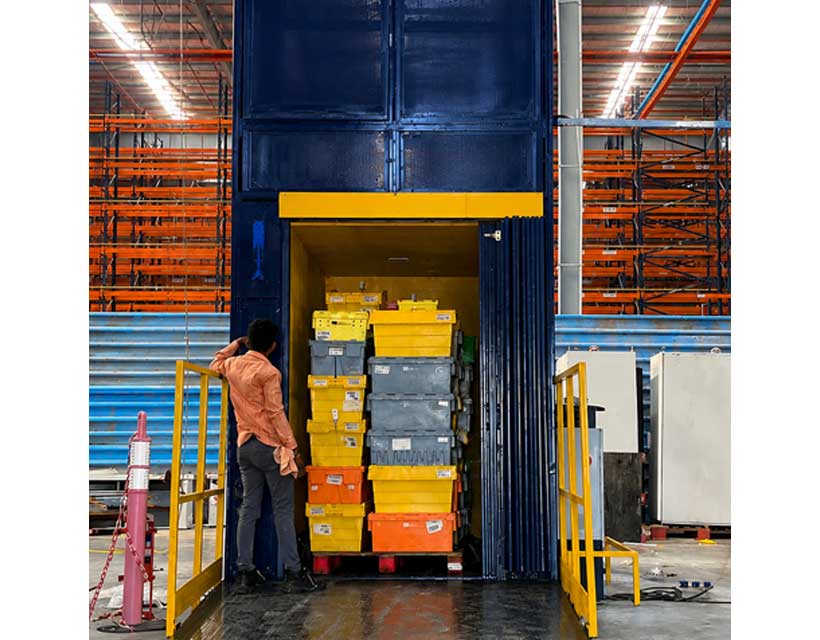
Vertical Reciprocating Conveyors: Smart Material Lifting Solutions for Modern Industries
Efficient vertical material movement is essential for industries managing multi-level operations, high inventory volumes, and fast production cycles. Traditional freight elevators often entail higher maintenance and operational costs, as well as unnecessary complexity, in industrial applications. It is where a material lifting machine becomes a practical and cost-effective solution.
A Vertical Reciprocating Conveyor (VRC) is an efficient system for the vertical transfer of materials across floors without conventional elevators. They are engineered to provide safe, automated, and high-capacity movement of goods between multiple structural levels. The systems from Asmita Engineering Equipments help businesses improve productivity while maximizing available floor space across industrial facilities in Maharashtra.
The Technical Framework
A vertical reciprocating conveyor is engineered exclusively for safe material transport. Its mechanical architecture focuses on structural stability, lifting efficiency, and long-term industrial performance. Key technical features include:
- Guided carriage: Precision-guided carriage movement that eliminates swaying and ensures balanced lifting.
- Safety interlocks:Integrated mechanical safety locking mechanisms and enclosure interlocks that prevent operation unless doors are completely secured.
- Electro-mechanical drive & chain lifting:High-torque electro-mechanical drive systems paired with heavy-duty chain lifting components for continuous, positive traction and lift control.
- Heavy-duty construction: High load-bearing platforms built on rigid structural steel frameworks engineered for repetitive goods movement and demanding industrial load cycles.
The design ensures smooth vertical transportation of materials while maintaining operational reliability in demanding industrial environments. VRC systems are optimized specifically for repetitive goods movement and industrial load handling.
A cost-effective alternative to freight elevators
Traditional freight elevators can be expensive to install, operate, and maintain due to stringent passenger-safety regulatory codes. A dedicated industrial goods lift offers a significantly more practical, cost-effective, safe, and space-saving solution for facilities handling continuous inventory movement.
Flexible entry and exit configurations
Design flexibility is one of the ultimate benefits of a vertical reciprocating conveyor. Because different industrial layouts require distinct loading and unloading flows, systems can be customized to support multiple configurations:
- Z-Pattern:Entry and exit on the exact opposite sides.
- C-Pattern: Entry and exit on the same side at different levels.
- 90-Degree Layout: Systems designed for adjacent-side loading.
- Multi-Level Access: Access points spanning across many distinct floor levels.
Target Industries & Applications
The primary application of a VRC is the vertical movement of goods between multiple floor levels, making it a vital asset for facilities with high-density vertical storage or multi-tier production processes. Industries Used:
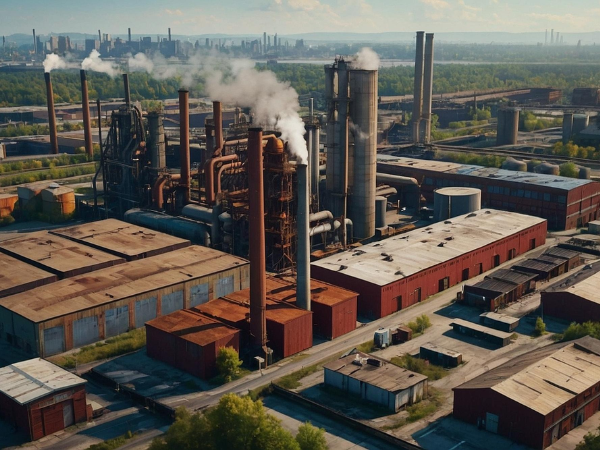
Factories
Moving raw components, tooling, and work-in-progress materials between multi-story fabrication floors.
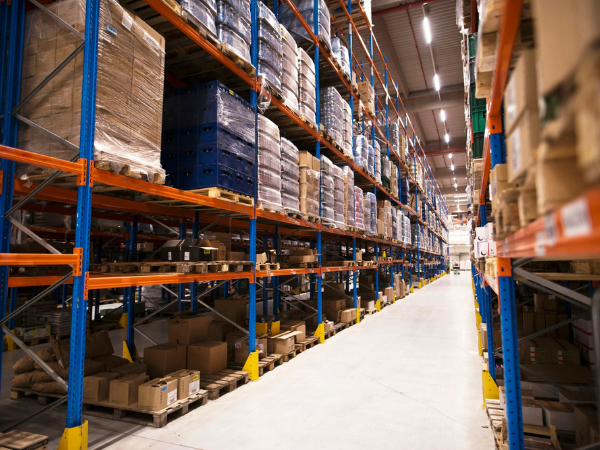
Warehouses
Transporting heavy pallets and bulk inventory safely up to mezzanine levels.
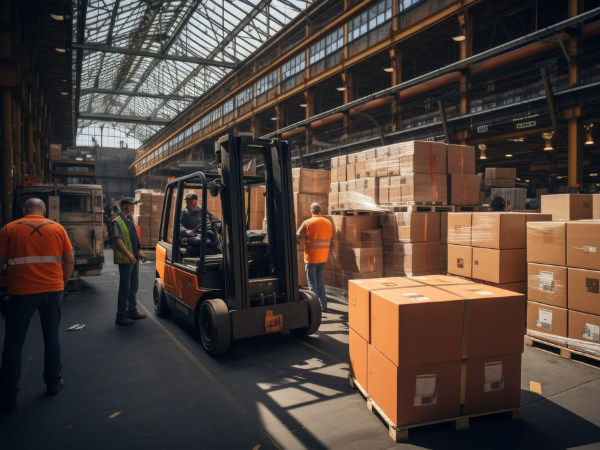
Distribution Centers
Enabling the quick transfer of items between dispatch zones and multi-level storage racks.
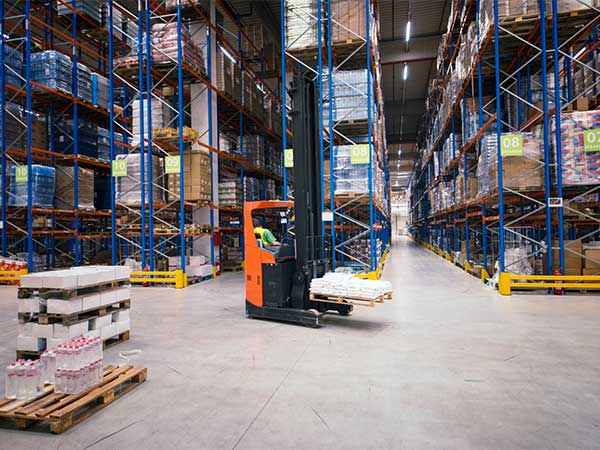
E-Commerce Fulfillment Hubs
Accelerating high-volume sorting operations to facilitate fast order processing.
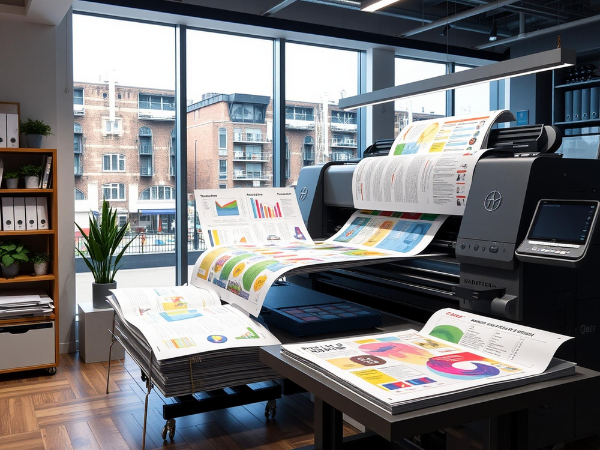
Printing Presses
Safely lifting heavy paper rolls, packaging materials, and completed print runs.
Final words
Asmita Engineering Equipments uses cutting-edge vertical reciprocating conveyor systems to provide dependable material-lifting machines and industrial product-lift solutions for safe, effective, and space-efficient industrial operations throughout Maharashtra. By bypassing the high costs of traditional elevators, these systems offer regional enterprises a clear path toward optimized, multi-level material handling.
FAQs
What is the difference between a VRC and a standard industrial passenger lift?
What safety mechanisms prevent a VRC carriage from falling in case of a chain failure?
What are the maximum load capacity and travel height limits for your VRC systems?
What safety standards apply to industrial material lifts in India?
The structural, electrical, and industrial safety laws that are pertinent to lifting systems must be followed by industrial material lifts.


Key Business Benefits of Vertical Reciprocating Conveyors: